For decades, discussions about America’s civil-rights movement have been shaped by a framework centered almost entirely on the Black–White struggle. While that narrative is undeniably vital, it has unintentionally overshadowed the experiences, victories, and sacrifices of other communities—especially Latinos. The history of Latino civil rights spans over a century, marked by community activism, legal battles, military service, and ongoing struggles against discrimination. Yet much of this story remains largely absent from mainstream historical conversations.
Understanding the overlooked contributions of Latinos is crucial for obtaining a comprehensive and accurate portrayal of America’s pursuit of equality. Their journey reveals a deep legacy of resilience, unity, and unwavering commitment to justice.
The Limitations of the Black-White Paradigm
America’s historical narrative often simplifies racial dynamics into one binary conflict. While the Black–White paradigm clarifies major structural issues, it does not fully represent the diverse racial, cultural, and ethnic groups that shaped America’s civil-rights landscape.
Latinos—Mexican-Americans, Puerto Ricans, Cuban-Americans, Central and South American immigrants—faced forms of historical inequality that differed from, yet often paralleled, those experienced by African Americans. Their struggles included:
- Segregation in schools and public spaces
- Racially motivated violence
- Discriminatory voting practices
- Unfair labor conditions
- Unequal access to education
- Barriers in housing, healthcare, and employment
Despite these realities, their stories have frequently been filtered through a limited racial lens that fails to acknowledge their distinct identity and contributions.
Latino Military Service: A Foundation of Courage and Citizenship
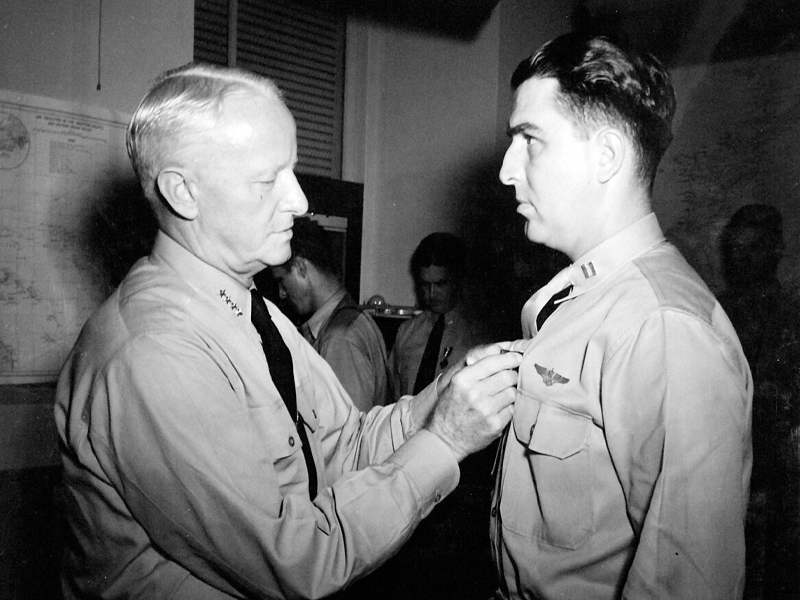
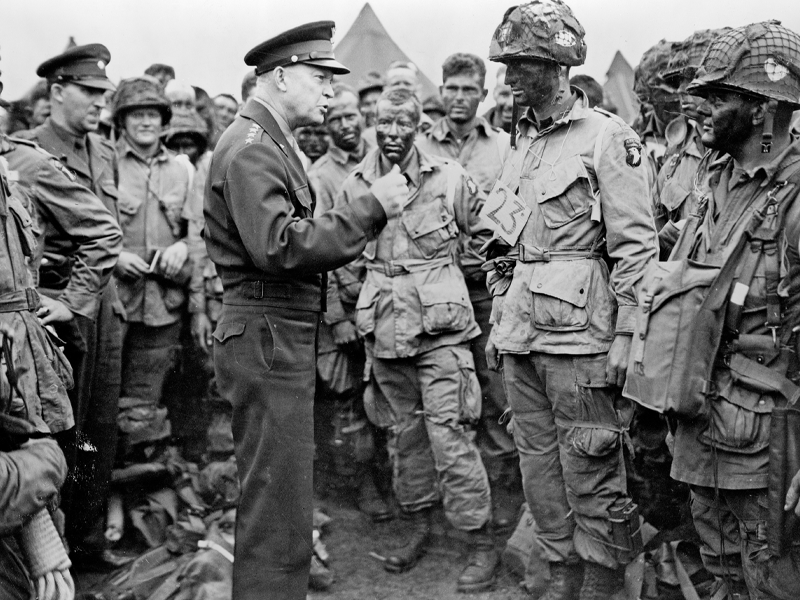
One of the most powerful yet overlooked dimensions of Latino civil-rights history begins on the battlefield. For generations, Latino soldiers served at high rates in every major U.S. conflict, often seeing frontline duty and suffering heavy casualties.
Their service was not only an act of patriotism—it became a catalyst for demanding equal treatment at home.
These veterans’ struggles are a central yet underappreciated chapter in the Latino civil rights journey. Many returned from war decorated for bravery, only to face discrimination in public places, workplaces, and civic life. Their courage on the battlefield sharply contrasted with their treatment in American society, fueling efforts to challenge unfair systems and demand change.
Latino veterans helped prepare the ground for community-led legal battles, civil rights organizations, and cultural pride movements that followed. Their sacrifices underscore a long-standing truth: service and citizenship have always been deeply interconnected in Latino identity.
Grassroots Activism: Communities Rising Together
Latino civil-rights history is rich with grassroots activism. From small towns to major cities, Latino communities organized to protect their rights, demand fair treatment, and preserve their cultural heritage. Major areas of focus included:
- Education Equality
Latino children faced segregated schools, exclusionary policies, and unequal funding. Parents and activists fought for integrated classrooms, bilingual education, and culturally relevant curricula.
- Labor Rights
Latino workers—especially in agriculture, manufacturing, and railroads—faced unsafe conditions and low wages. Their organizing efforts helped improve labor protections nationwide.
- Voting Rights
Many Latinos experienced barriers such as literacy tests, intimidation, and gerrymandering. Community advocates pushed for fair representation and greater political participation.
- Cultural and Linguistic Rights
Efforts to preserve Spanish, celebrate traditions, and combat stereotypes have been central to cultural identity movements.
These battles were fought at the local level long before they reached the national stage. They formed the backbone of what we now recognize as Latino civil-rights activism.
Legal Milestones That Modern History Often Ignores
Latino civil-rights history includes landmark legal cases that transformed American law, yet many remain underrepresented in mainstream education. These cases challenged:
- School segregation
- Discriminatory jury selection
- Racial classification systems
- Housing discrimination
- Unequal public services
The outcomes reshaped constitutional interpretations of equality and strengthened civil-rights protections for all Americans, not just Latinos. These legal victories demonstrate how deeply Latino activism influenced national policy, even if the broader narrative rarely acknowledges it.
Media Representation and Historical Silence
One reason Latino civil rights history is less recognized is the lack of media coverage during earlier decades. Newspapers, television networks, and educational institutions frequently overlooked Latino activism, legal struggles, and social movements. This gap in representation created a cycle:
- Latino stories were not widely reported.
- As a result, they were not widely taught.
- Consequently, they were not widely remembered.
Breaking out of this cycle requires intentional efforts to highlight Latino history in classrooms, media, museums, and public conversations.
Why Recognizing Latino Civil Rights History Matters Today
Understanding Latino contributions to civil rights is not just about correcting history—it is about shaping the future. Today, Latinos are one of the largest and fastest-growing communities in the United States. Their cultural, economic, and civic impact is profound. Recognizing their civil rights history:
- Expands America’s understanding of racial dynamics
- Honors the sacrifices of past generations
- Strengthens multicultural awareness
- Encourages greater civic participation
- Builds a more accurate, inclusive national identity
When we acknowledge the full scope of these contributions, we move closer to a society that values every community’s role in building justice and equality.
A Broader, More Accurate Narrative
The movement to break the Black-White paradigm is not about diminishing any other group’s history. It is about expanding the lens so that all voices, including Latinos, are heard and remembered.
Their courage, activism, resilience, and leadership are essential threads in America’s civil rights fabric. By recognizing the overlooked chapters, we enrich our understanding of the nation’s story—and honor the millions who contributed to it.